02 · Sound Art

Sound Art

Self-built electronics, objects, live systems, interfaces, and unstable sonic situations.

the Pink Box 1

A self-built electronic instrument based on the Daisy Seed (STM32H7) platform. It uses knobs, button interaction, waveform interference, and occasional contact instability as part of its sonic identity.

Rather than functioning as a neutral controller, the Pink Box behaves as a performative object: its physical surface, handmade construction, unstable contacts, and bodily operation become part of the musical situation.

The instrument received its first public presentation within Ein Tag in 13 Sätzen, presented in the context of Frequenz Festival Kiel.
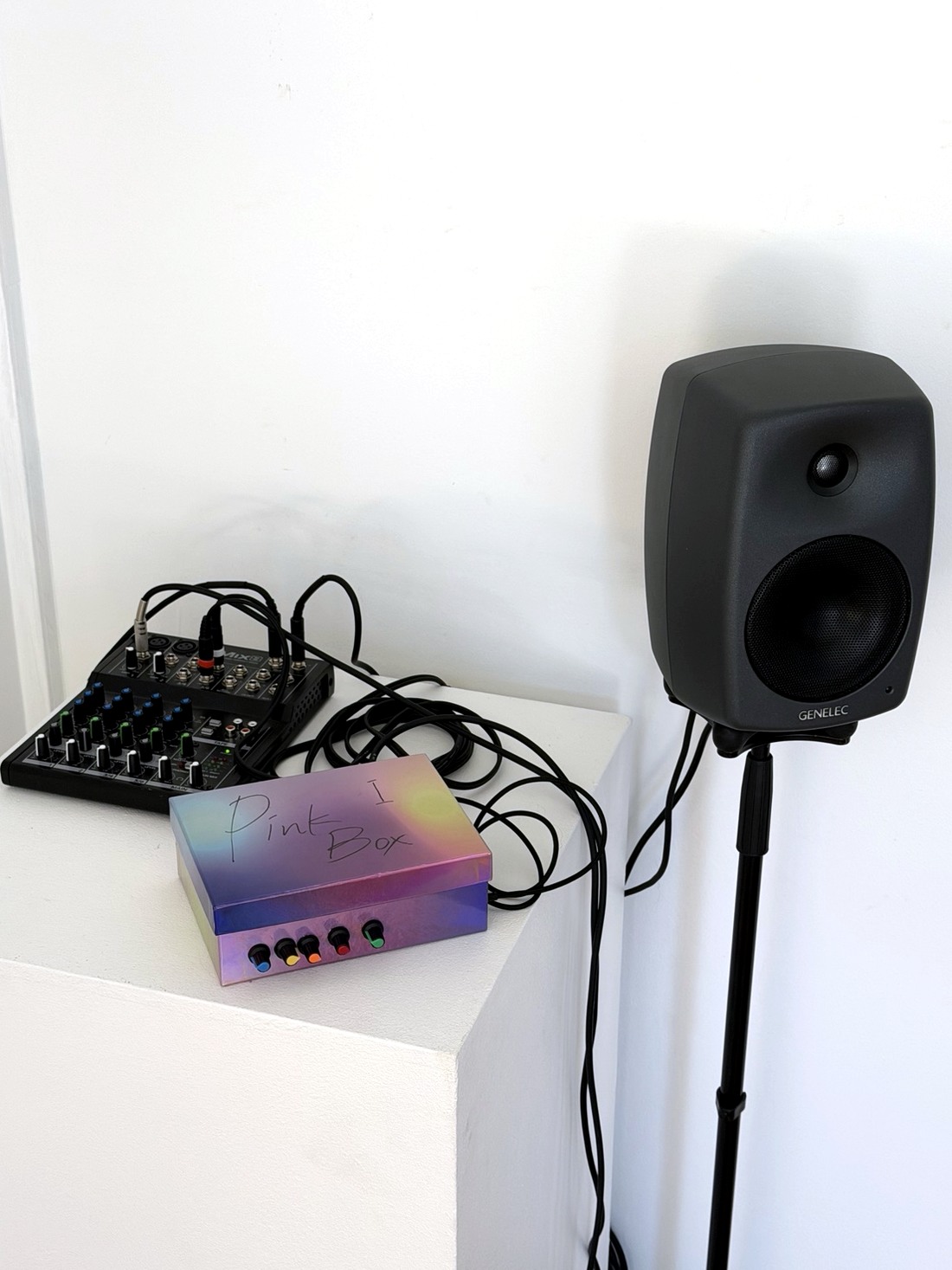
Instrument building / live electronics / interface / unstable control First public presentation: Ein Tag in 13 Sätzen, Frequenz Festival Kiel
the Pink Box 1 electronic instrument

NTMI / SuperCollider Project

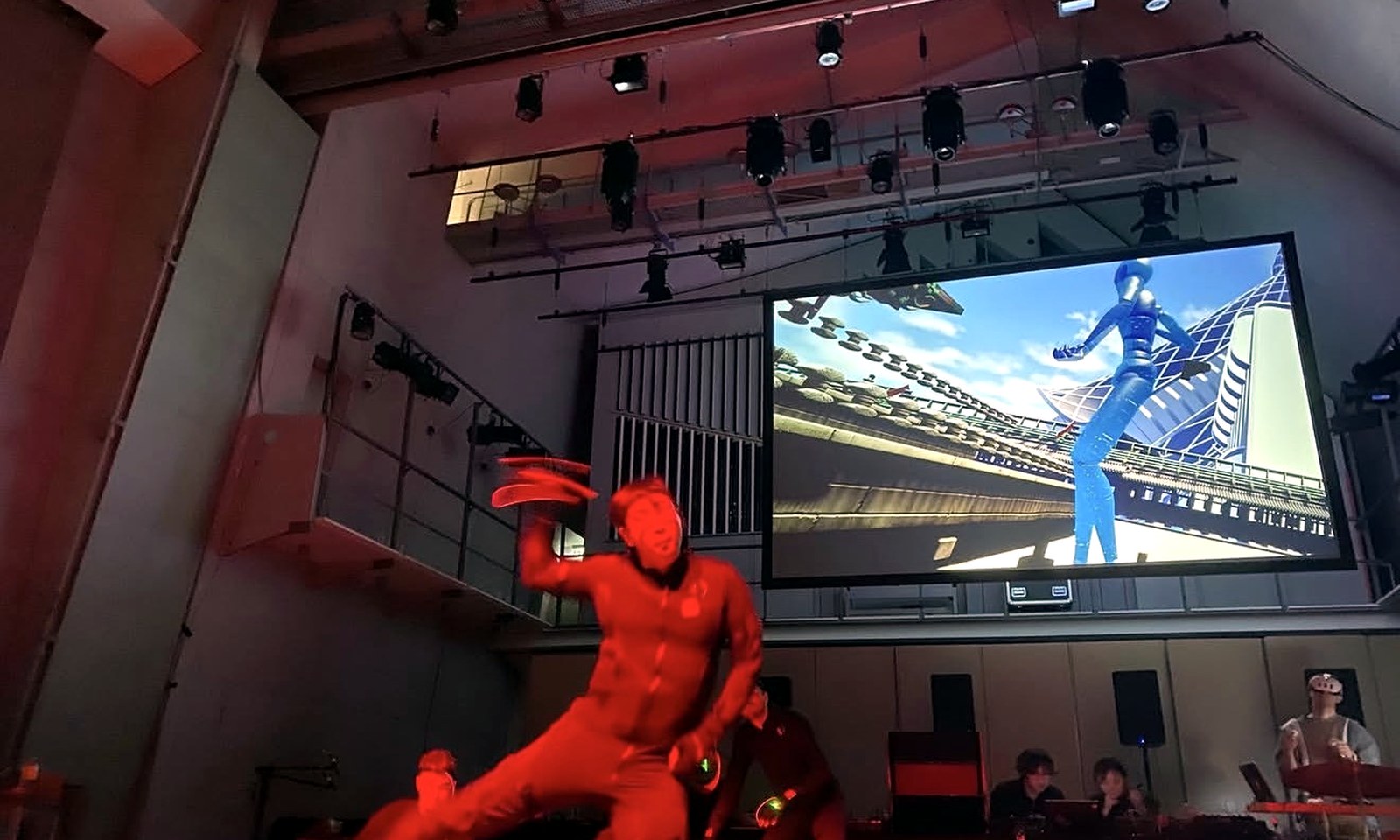
A live electronic project using NTMI, wearable sensors, and SuperCollider. Performers wear sensors on their bodies, allowing physical movement to enter the electronic system as real-time control data.

Sound is not fixed in advance, but performed, transformed, and reshaped during the performance through SuperCollider. The project treats the body as an interface: movement, sensor data, synthesis, image, light, and stage presence form a single responsive performance environment.

NTMI / wearable sensors / SuperCollider / real-time sound transformation First public presentation: WAM! Festival, Musikhochschule Lübeck. Body movement as interface; sound performed and changed live through sensor data.
NTMI and SuperCollider live electronic performance with wearable sensors

Objects / Interfaces

Yuxuan Feng’s object-based practice approaches instruments and interfaces not as neutral devices, but as compositional situations. Self-built electronics, handmade controllers, sensors, circuits, and unstable physical contacts become places where bodily action, technical behavior, and sonic form are negotiated in real time.

In these works, the interface is treated as part of the score: a material surface that shapes how sound is generated, transformed, resisted, and performed.

Notation / Recording

These projects also connect to notation and recording as traces of action: diagrams, control gestures, unstable electronics, and the transformation of physical behavior into sound.